01
Earlier detection
Routine exams can identify cavities, gum inflammation, bite wear, and small changes before they become larger restorative problems.
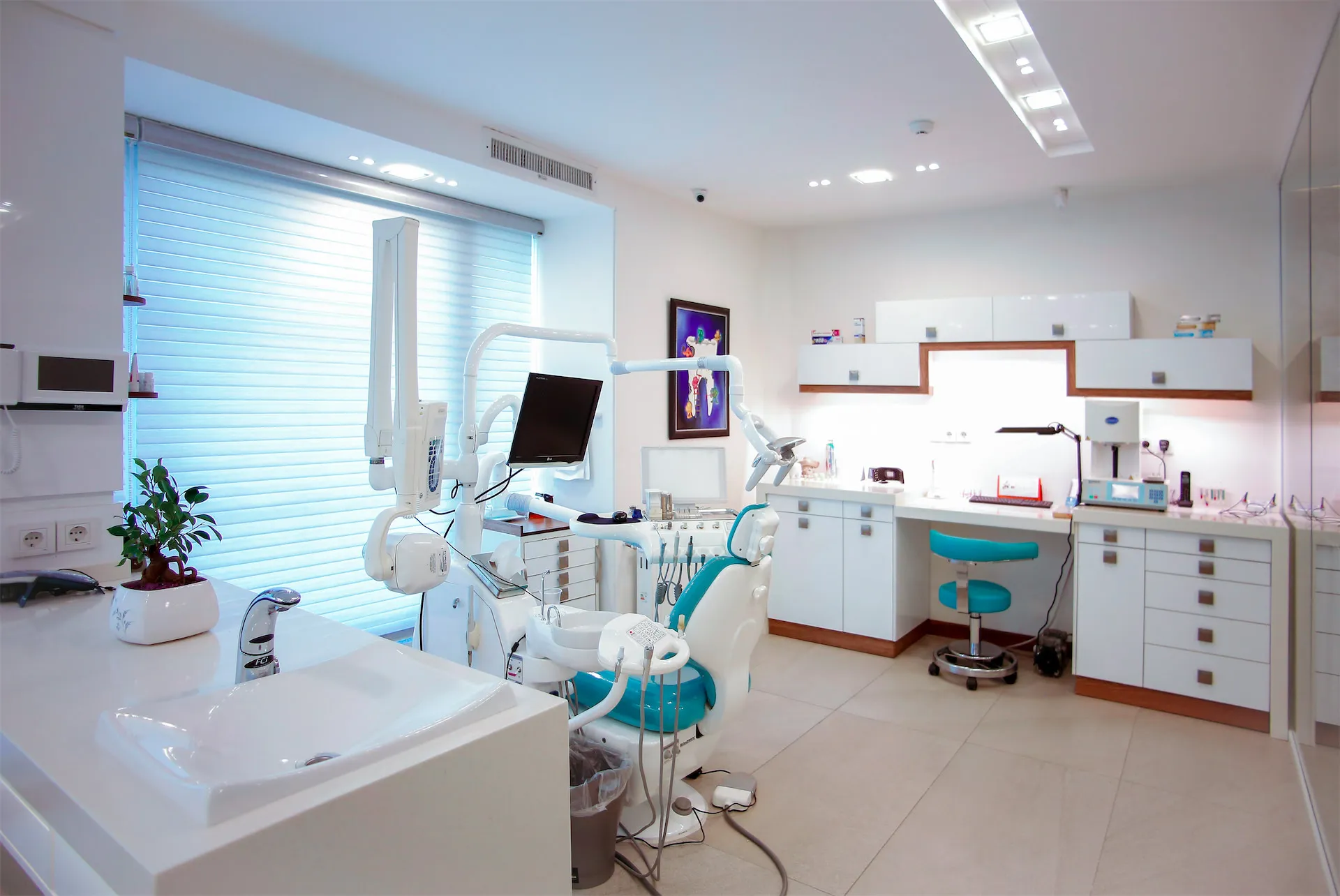
Regular exams, cleanings, and preventive care help catch small issues early and protect your smile for the long term.
Protect Your Smile
Preventive dentistry focuses on avoiding problems before they become more painful, more complex, and more expensive to treat. Routine visits give your dental team the chance to remove plaque and tartar, evaluate your teeth and gums, and identify concerns while treatment is still straightforward.
A strong preventive program typically includes comprehensive exams, routine cleanings, digital imaging when needed, and personalized guidance on brushing, flossing, and home care habits. These visits are not just about polishing teeth. They are designed to spot early decay, monitor gum health, and help patients avoid complications that can affect comfort and function.
Preventive visits are also a good time to talk through additional protection. Depending on your needs, that may include fluoride treatment, sealants, custom night guards for clenching and grinding, or sport guards for patients who want extra protection during athletics. The goal is simple: keep healthy teeth healthy for as long as possible.
The source material for this page emphasized the practical side of prevention, especially regular cleanings, proper brushing and flossing, and protective appliances like night guards and sport guards. That approach lines up with best-practice dental care: small habits and regular maintenance usually have the biggest long-term payoff.
Why It Matters
Preventive care is valuable because it reduces risk before a dental issue has time to disrupt your schedule, comfort, or budget.
Routine exams can identify cavities, gum inflammation, bite wear, and small changes before they become larger restorative problems.
Professional cleanings remove plaque and tartar that home brushing cannot fully address, reducing the risk of gingivitis and periodontal disease.
Small issues are usually easier and less invasive to treat than problems that have been left to progress.
Preventive care supports fresher breath, cleaner teeth, and fewer surprises between appointments.
Built Around Daily Habits
Many dental problems develop quietly. Preventive dentistry helps uncover those changes early, when treatment is usually faster and more conservative.
Cleanings and exams work best when they are paired with practical home care. That includes brushing twice a day, flossing consistently, and using preventive tools recommended by your dentist. Patients who grind their teeth, play contact sports, or have a history of decay often benefit from customized preventive strategies.
Preventive dentistry is not one-size-fits-all. Some people mainly need regular maintenance, while others need closer monitoring because of gum disease risk, enamel wear, dry mouth, or previous restorative work. A good preventive plan adapts to those risks instead of treating every patient the same way.
What To Expect
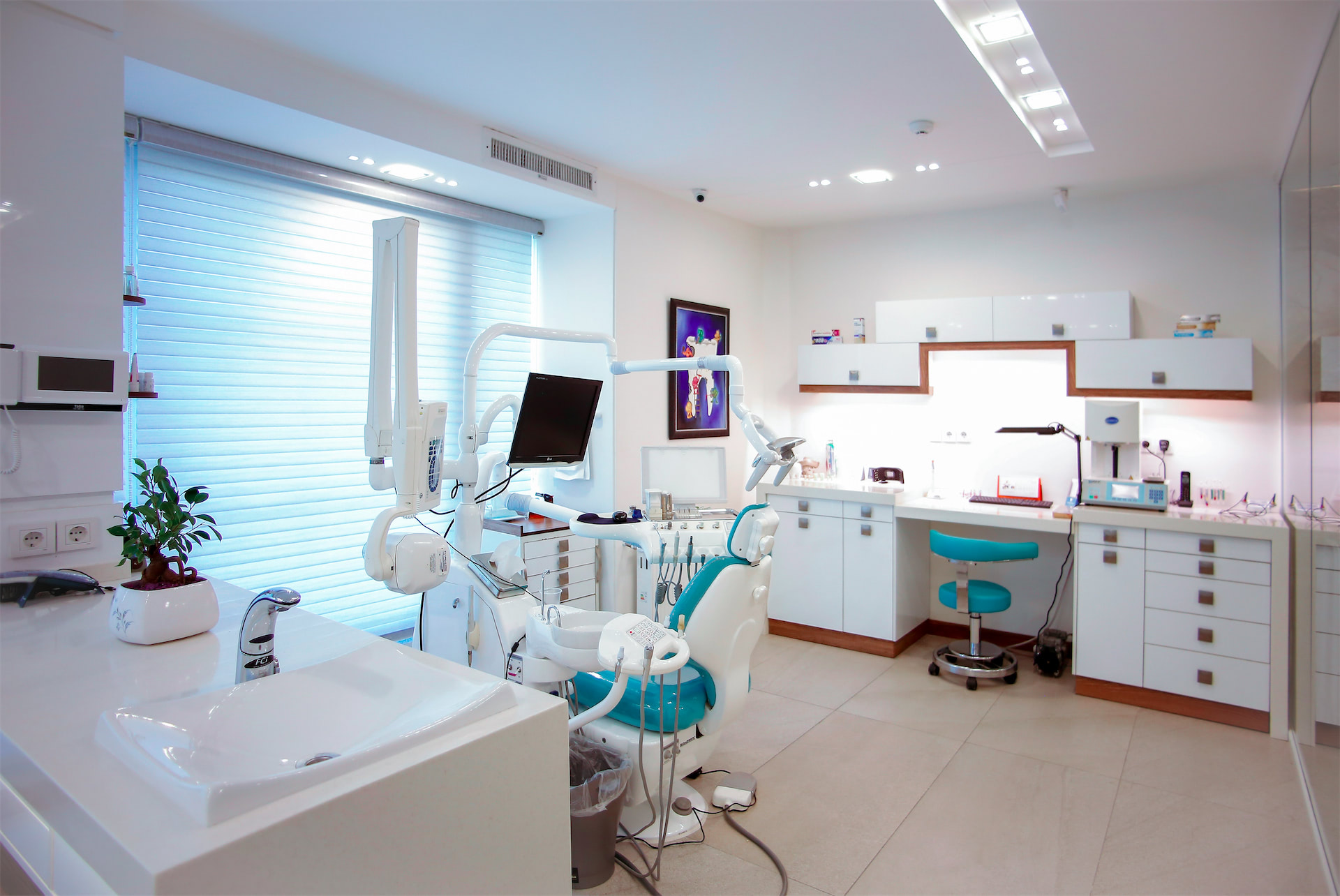
Preventive appointments are designed to be efficient, but they still give your dental team enough time to assess your oral health carefully.
Your visit begins with a review of symptoms, concerns, medical history, and any changes you have noticed since your last appointment.
Plaque and tartar are removed from the teeth and around the gumline, then the teeth are polished and flossed.
Your dentist examines the teeth, gums, bite, and supporting structures. X-rays may be taken when needed to evaluate areas below the surface.
You leave with clear guidance for home care and, when appropriate, recommendations such as fluoride, sealants, or protective guards.
FAQ
These are some of the most common questions people have when they are deciding how often to schedule care and what those visits should include.