01
Secure fit
Implants are fixed in place, which helps them feel more stable than options that rest only on the gums.
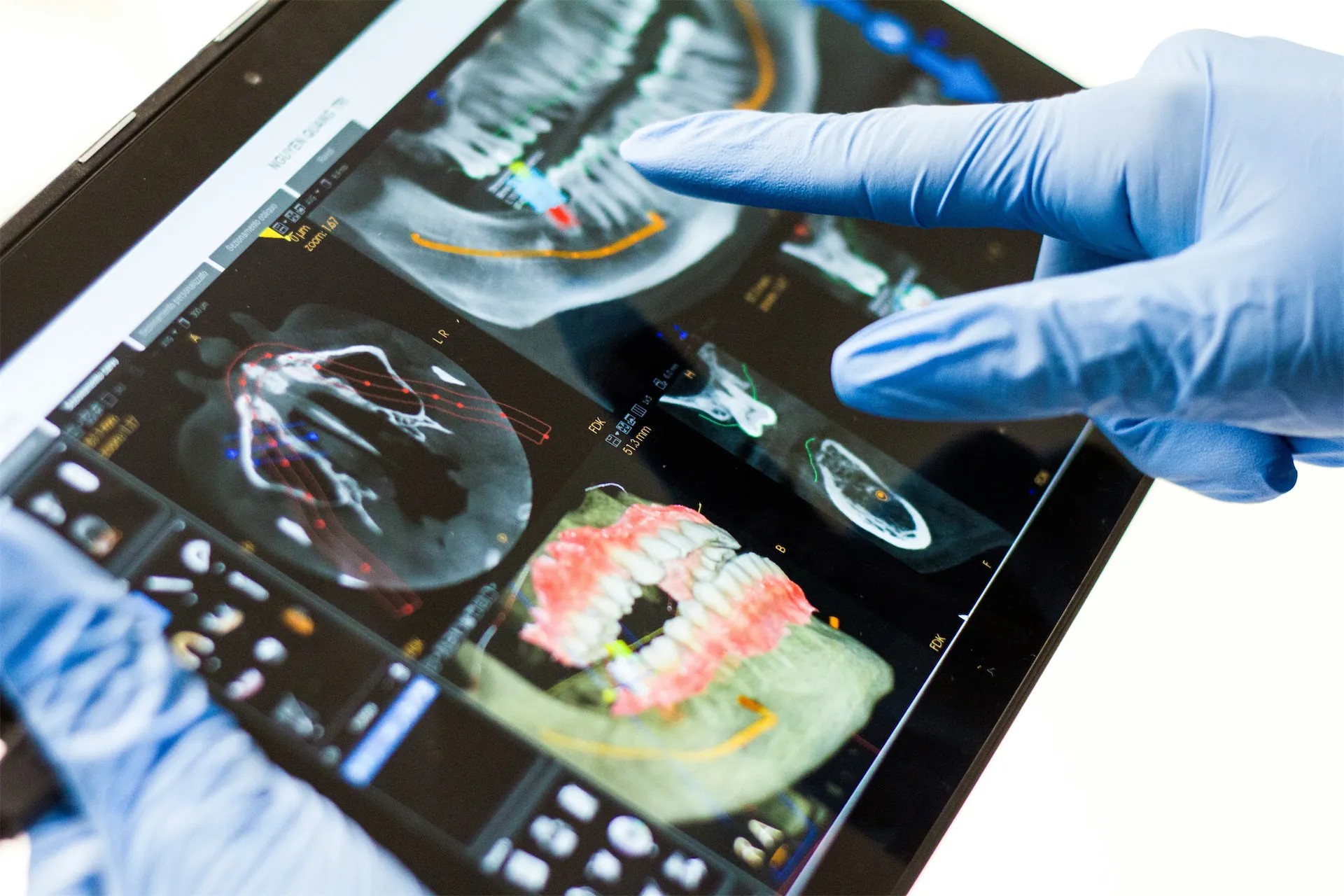
Dental implants replace missing teeth with a stable, long-term solution that supports comfort, chewing function, and smile confidence.
Replace Missing Teeth
When a tooth is missing, a dental implant can provide one of the most stable and natural-feeling replacement options available. Implants are anchored in the jawbone, which helps support chewing strength, maintain facial structure, and hold a crown, bridge, or denture securely in place.
The source material for this page described implants as an artificial tooth root placed into the jaw and then restored with a lifelike replacement tooth. That is the core idea. Because implants engage the bone directly, they can help limit the shifting, instability, and bone loss that often follow tooth loss.
Implants may be used to replace a single tooth, support a bridge, or help stabilize a denture. Not every patient is an immediate candidate, which is why the planning stage matters. Bone volume, bite forces, gum condition, and overall oral health all influence whether implants are the best option and whether any preparatory treatment is needed first.
For many patients, implants are appealing because they feel secure and allow them to eat, speak, and smile with more confidence. The process takes time, but the long-term stability is often worth it.
Why Patients Choose Implants
Unlike removable options, implants are anchored in the jaw, which changes how they feel and function day to day.
Implants are fixed in place, which helps them feel more stable than options that rest only on the gums.
Because implants replace the root, they can help reduce the bone loss that often follows a missing tooth.
Many patients find implants more comfortable for chewing and speaking than removable appliances.
Implants can support a single crown, a bridge, or a denture depending on how many teeth are missing.
Treatment Planning
Implants are highly effective, but they are not a one-day shortcut in every case. Good planning evaluates the site, the bite, and the support needed for a durable result.
Some patients are ready for implant placement soon after evaluation. Others may need preliminary care, such as extraction site healing, periodontal treatment, or bone grafting, before an implant can be placed predictably.
The final restoration matters as much as the implant itself. A well-shaped crown or bridge should fit the bite comfortably, support the gum tissue well, and make the replacement tooth blend naturally with the surrounding smile.
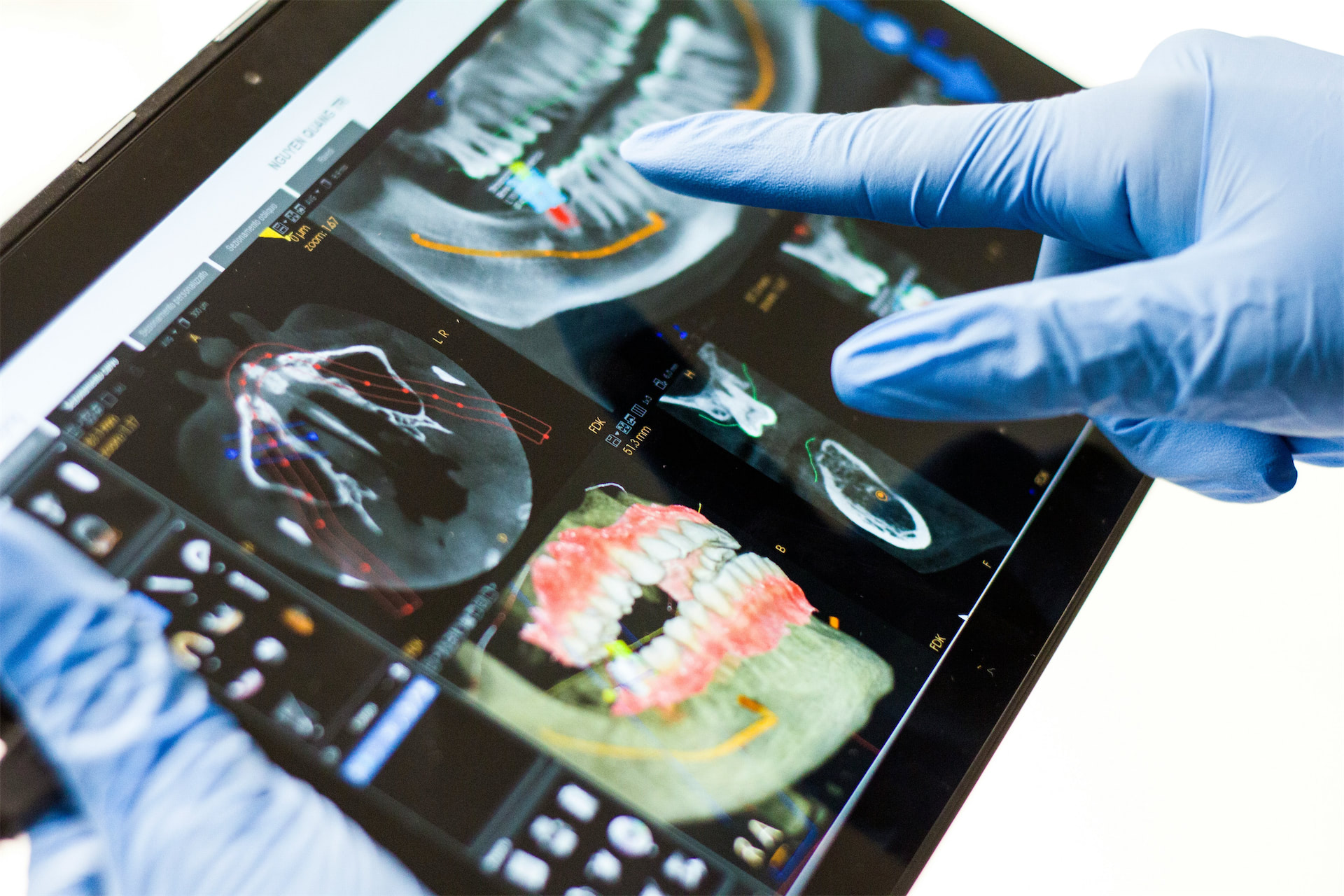
Implant Process
The timing varies from patient to patient, but implant care generally unfolds in a predictable order.
Your dentist evaluates the missing-tooth area, bone support, gum health, and bite, then determines whether implant treatment is appropriate.
Some cases require extraction, healing time, grafting, or periodontal treatment before the implant is placed.
The implant is placed into the jawbone and allowed time to integrate so it can support the final restoration securely.
Once healing is complete, a crown, bridge, or denture attachment is fitted to complete the tooth replacement.
FAQ
Implants are a major decision for many patients, so these are some of the most common topics discussed during consultations.
Related Services
Implant treatment frequently overlaps with restorative and periodontal care, especially when teeth have been lost due to damage or gum disease.
Service
When deciding whether to save or replace a compromised tooth, restorative planning helps compare the available options.
Service
Healthy gums and supporting bone are essential for implant success, so periodontal treatment is sometimes part of the process.
Stable Tooth Replacement
An implant consultation can clarify candidacy, treatment stages, and whether any preparatory care is needed before replacement begins.