01
Comfortable chewing
Repairing decay, fractures, and missing teeth can make it easier to eat without pain, sensitivity, or avoiding one side of the mouth.
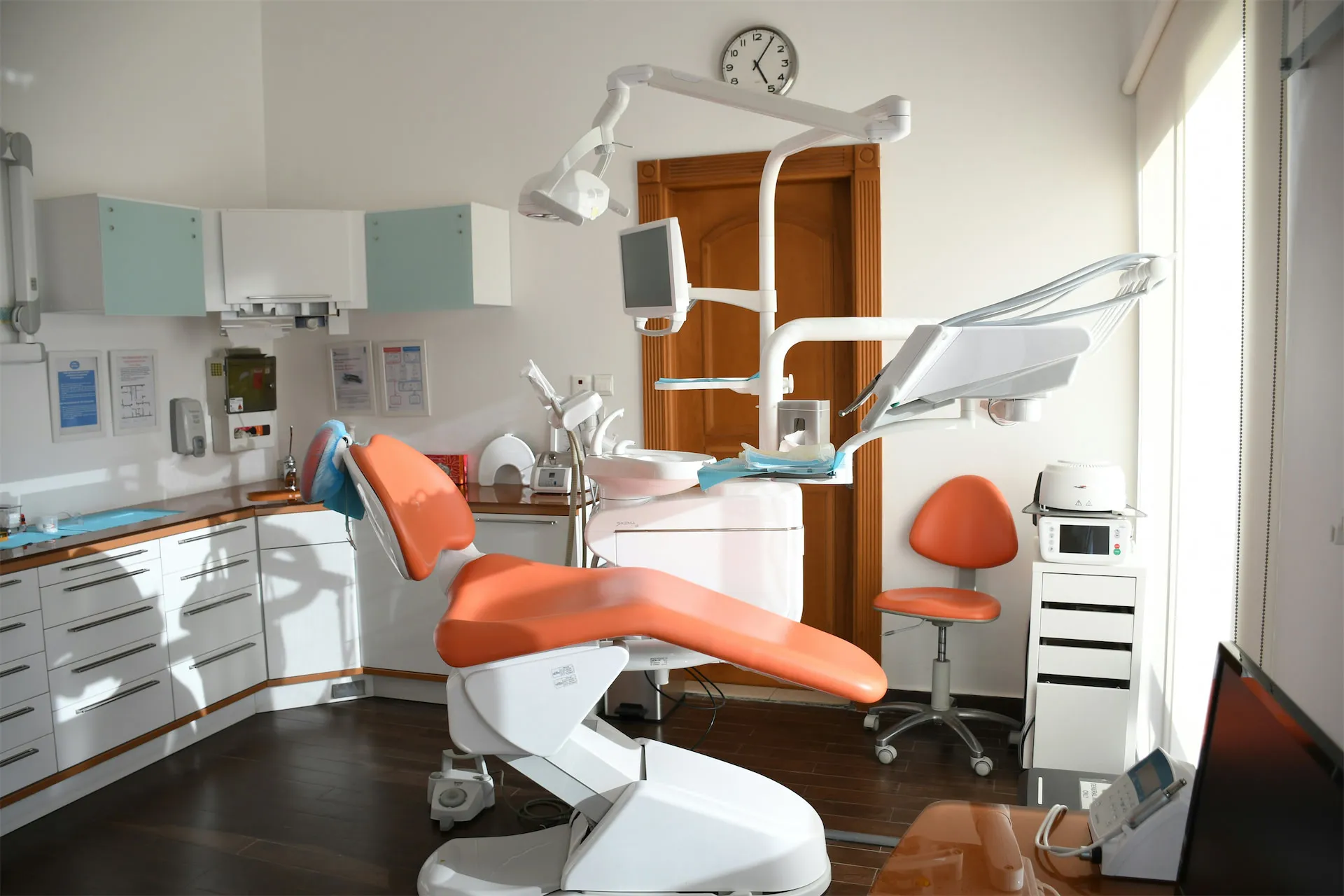
Restorative dentistry repairs damaged teeth, replaces missing structure, and helps you chew, speak, and smile more comfortably.
Repair And Restore
Restorative dental care is used when a tooth has already been affected by decay, fracture, wear, or tooth loss. The goal is to repair the problem, protect what remains healthy, and restore comfort, strength, and appearance as conservatively as possible.
Restorative dentistry can cover a wide range of needs. Fillings may be used for cavities, while crowns protect teeth that have lost more structure. Bridges, dentures, and dental implants replace missing teeth. Root canal therapy can save a tooth when infection reaches the inner nerve tissue.
The research source for this page presented restorative dentistry as a category that repairs broken or damaged teeth and then highlighted common options such as fillings, bridges, dentures, and root canal therapy. That is the right framing: restorative care is about rebuilding health and function, not just improving appearance.
A good restorative plan is individualized. The best solution depends on the amount of tooth structure remaining, where the tooth is located, your bite, your budget, and your long-term goals. In many cases there is more than one appropriate treatment path, and part of the consultation is weighing those options carefully.
Practical Outcomes
Restorative dentistry is not only about fixing a problem on X-ray. It is about making the mouth work better in daily life.
Repairing decay, fractures, and missing teeth can make it easier to eat without pain, sensitivity, or avoiding one side of the mouth.
Fillings, crowns, and other restorations help shield weakened teeth from further breakdown.
Modern restorative materials are selected to blend naturally while still supporting strength and durability.
Treating problems early can prevent infection, shifting teeth, and more extensive treatment later.
Treatment Planning
The same symptom can lead to different treatment choices depending on the condition of the tooth, surrounding bite forces, and whether infection or tooth loss is involved.
Small cavities may only need a filling. Larger areas of damage may need an inlay, onlay, or crown. If a tooth is infected but still restorable, root canal therapy may make it possible to keep it rather than remove it. When a tooth cannot be saved or is already missing, bridges, dentures, and implants can restore the space in different ways.
A thoughtful restorative plan does more than solve the immediate problem. It should also protect your bite, preserve adjacent teeth, and fit how you want your smile to function over the long term.
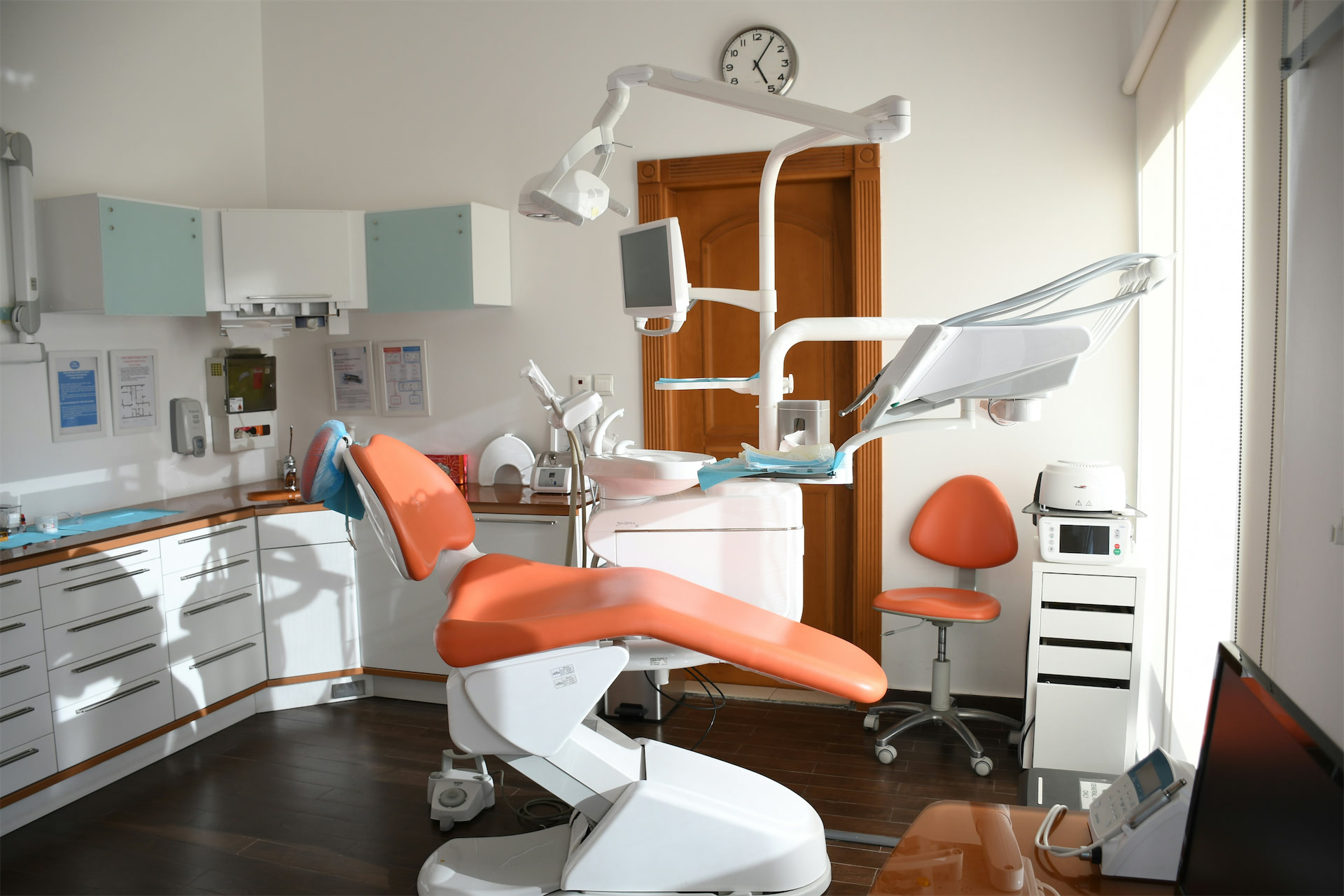
How Treatment Is Planned
Even when treatment is urgent, the process usually begins with diagnosis and a discussion of the options available.
Your dentist evaluates the damaged area, may take X-rays, and determines whether the tooth can be repaired conservatively or needs more involved treatment.
Appropriate treatments are discussed based on function, durability, appearance, timing, and cost.
The damaged tooth is cleaned, repaired, protected, or replaced using the treatment selected for your situation.
Aftercare instructions, future checkups, and preventive maintenance help keep the restoration functioning well.
FAQ
Patients often know they have a problem, but not what type of treatment will solve it. These questions usually come up early in that conversation.